New Jumpstart Courses

Hi everyone :wave:

I’ve created a new course format on PianoGroove called Jumpstarts.

I regularly receive questions here in the forum and via email about which courses and learning paths students should follow.

With 800 lessons and 60 courses on PianoGroove, I understand that it can sometimes be difficult to know where to begin or what to study next.

What Are Jumpstarts?

Jumpstarts are short, 7-lesson courses designed to help you build confidence, make some quick progress at the piano, and find the most suitable longer-term learning path based on your experience and musical goals.

Think of them as short introductory courses that give you some practical skills and a clear sense of direction before moving into a more comprehensive learning path.


The 7-Day Jazz Piano Jumpstart

The first course in this new format is the 7-Day Jazz Piano Jumpstart which launched last week:

This Jumpstart is designed for students who are new to jazz piano or have a little experience but aren’t sure where to begin.

We focus on the tune Moon River , just working through the A and B sections of the tune rather than tackling the entire arrangement.

Along the way, we explore chord voicings, melody interpretation, melodic embellishment, tips for practicing tricky harmonic sections, and ways to start playing more spontaneously.

An important message throughout the jumpstart is that jazz theory takes time to develop, but you don’t need to master all the theory before you can start making beautiful music at the piano.

On Day 7, we explore the first 3 major learning paths on PianoGroove and discuss which might be the best next step for you.

I’ve also created 3 accompanying PDFs explaining who each path is designed for, what you’ll learn, and how to approach the material:


Jumpstart Page Layout & Lessons.

You’ll notice that the Jumpstart pages look a little different from the regular course pages.

There’s a greater emphasis on lesson progress tracking , so you can easily see how far you’ve come and how many lessons are remaining.

I’ve also tried to keep the lessons a little shorter than usual, averaging around 15 minutes, while still including plenty of actionable tips and useful musical insights.


Upcoming Jumpstarts

All Jumpstarts will contain 7 lessons, but there’s no need to complete them over 7 consecutive days. You can work through them at whatever pace feels comfortable for you.

I’ve already mapped out several more Jumpstarts which I’ll be recording and publishing over the coming weeks:

  • Blues & Groove Jumpstart — For students specifically interested in blues piano, groove, and hand independence.

  • Classical To Jazz Jumpstart — For students with classical piano training who want to transition into jazz, lead sheets, and improvisation.

  • Beyond The Basics Jumpstart — For students already comfortable with jazz fundamentals who want to develop richer voicings, more sophisticated arrangements, and a clearer route into intermediate and advanced material.

  • Jazz Improvisation Jumpstart — For students who want to develop their improvisation skills and learn how to create melodic ideas, fills, and solos. I originally intended the Autumn Leaves Improvisation Course to serve as this Jumpstart, but it became much more in-depth than I’d planned during recording!


I’m hoping these new Jumpstarts will make it easier for everyone to navigate the PianoGroove library and find a clear, enjoyable route through the material.

I’d love to hear your thoughts on the new format , particularly if you’ve already started the 7-Day Jazz Piano Jumpstart.

And if there’s a particular topic you’d like to see covered in a future Jumpstart, don’t hesitate to let me know below.

Hayden
1 Like

Great idea Hayden!

I just happened to come across the 7-Day Jazz Piano Jumpstart course yesterday and had a look at lesson 7, Your Next Steps in Jazz Piano.

Until yesterday, I wasn’t really sure if I was on the right path or not. However, after listening to this lesson and your recommendations, I know now, without a doubt that the Lead Sheet Fundamentals learning path is where I need to be. I plan on reviewing the rest of this Jumpstart and looking forward to the new ones to follow, particularly Blues & Groove and Jazz Beyond Basics.

I’m sure these Jumpstarts will be a huge benefit to both current members newcomers to your site. Thank you.

Great suggestion @Nivaldo - I wasn’t sure if your post was deleted by accident, but I re-added it, as it’s a very good point for discussion.

You are correct that the “Misty” - Cocktail Improv Course is intermediate-level stride that incorporates chord extensions alterations.

I have created a solution below and some recommendations for you to get started:


“Nearness Of You” - Stride Drills

If you check out the first module of the Ballad Fills & Runs Course which focuses on “The Nearness Of You” - those stride drills just include chord tones (roots, 3rd, 5ths, 7ths).

Please find the course page here:

Those lessons are entitled “A/B/C Section Harmony Drills”.


“Nearness Of You” - Beginner Lessons

On a related note I did create some new beginner tutorials on “The Nearness Of You” which I have just added to the website and also into the Lead Sheet Fundamentals Learning Path.

I have called the course “Ballad Stride Piano For Beginners”:

Currently, it’s only the lesson “Nearness of You” - B Section which discusses some very beginner level stride techniques, but I will add another lesson which goes into a little more detail.

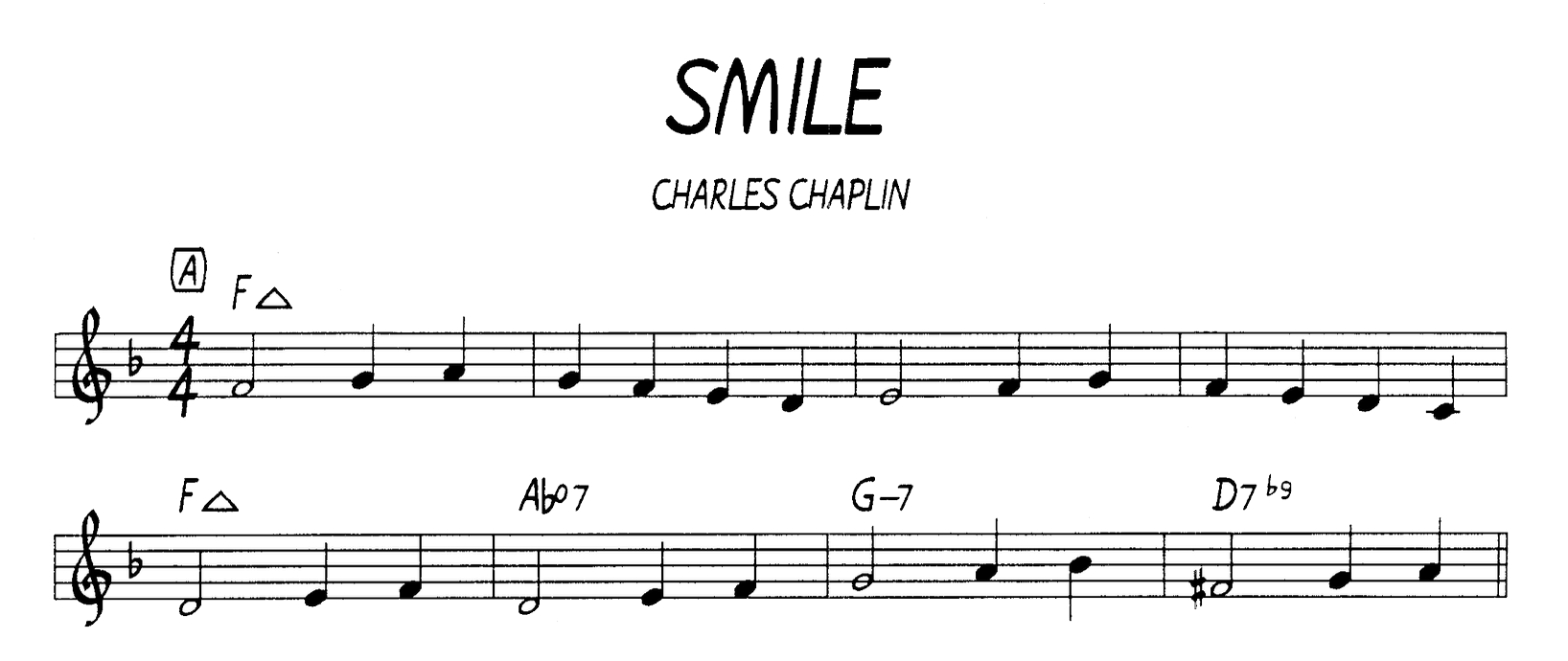
For the 2nd jazz standard study in this course I had planned to cover “Smile” which was requested here in the forum some time ago. It’s a great tune for stride style as there is a lot of space in the harmony. See the first 4 bars below:

That will work nicely to complement “The Nearness Of You” - both taught in the key of F Major.

I will get around to recording that asap. I have some Autumn Leaves Improv lessons which I need to record as a priority.


So in summary… I think beginner stride piano lessons is a great idea, and we will put them in this new single course which has been added to the Lead Sheet Fundamentals Learning Path.

Perhaps we could add 3 jazz standard studies into this course too. I’ll think of what the 3rd one could be.

In the interim, if you’re new to “The Nearness of You”, start with the new beginner course above, and when you’re ready progress onto the stride drills in the Ballad Voicings & Fills Course which cover the same tune.

Hayden

That’s brilliant - thanks for the feedback @Ivan.C.

Awesome - that’s exactly what I wanted the final lesson to achieve.

I mention in the final lesson of the jumpstart that there is some overlap between the learning paths.

Once you have completed the Lead Sheet Fundamentals Learning Path, you will have already completed the first 2 courses in the Essential Jazz Harmony Learning Path, so those 2 paths are closely related. The former is more repertoire/practical skill focused, and the latter is more theory-focused.

For now stick with the Lead Sheet Fundamentals Learning Path to build strong foundations and develop your repertoire of jazz standards.


Brilliant - I’ll get to work on those asap!

Hayden

1 Like

Wow @Hayden, this is exactly what I was looking for!! Coincidentally, Nearness of You is perhaps my favorite ballad at the moment and one of the 11 jazz standards that I play every day from memory!!

I will get to the Ballad Stride Piano for Beginners course immediately!!!

(I may keep fighting with the Misty one I mentioned as well…I have the first 3 bars down (with the melody added) and been playing them so insistently that I am not sure I can let go now :slight_smile: ).

Smile from Chaplin sounds wonderful. I am sure whatever else you chose will be just as fit to teach beginners.

I never know how to thank you enough…so I will just keep playing and thanking you for it.

Nivaldo

1 Like

Fantastic work Hayden, I’m looking forward to the other courses. Likes others have mentioned the final lesson gave me clarity that I am on the right path after completing Lead Sheet Fundamentals. The hard thing for me is to keep focused on completing the lesson…there is just so many other tempting lessons and styles likes blues that I want to take on.

Thanks for the feedback @patricksimeons - I’m glad to hear that the final lesson gave some clarity on your current path.

Yes I can relate to the temptation of wanting to explore other styles.

My advice is to set a deliberate block of time each day where you explore another style, but do that after working on the foundational material.

One effective way to do this is to split your practice time into smaller blocks.

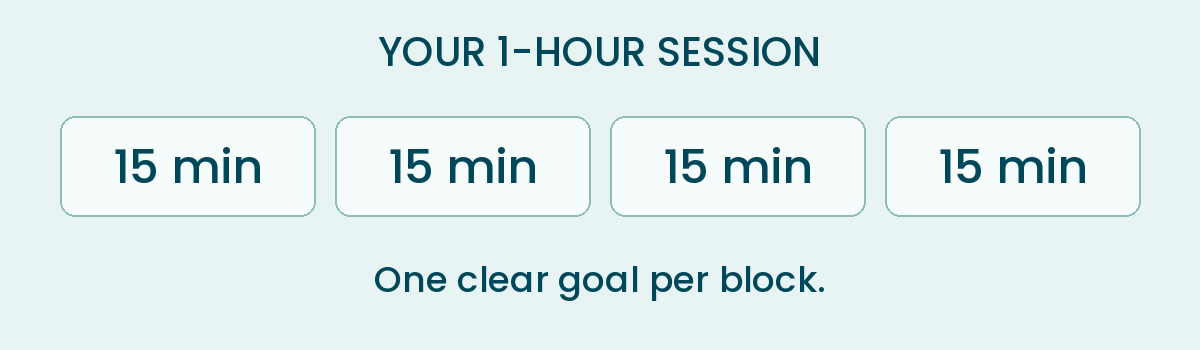
For example if you have 1 hour to practice, split that time into 4 x 15 minute blocks like this:

As you’re working on the Lead Sheet Fundamentals Path, you could divide an hour practice time like this:

  • 15 minutes on a tune from the learning path

  • 15 minutes on another tune. (You could also make these tune-blocks more focused such as 15 minutes on the A section, or B section, and then gradually work towards spending 15 minutes playing through the whole tune)

  • 15 minutes doing some theory drill such as the Essentials Practice Guide - again starting with just a few keys, perhaps the keys of the tunes that you’re working on, and gradually trying to get through more keys in each 15-minute sitting.

  • and then your final 15 minutes working on some blues lessons.

15 minutes doesn’t seem like a lot of time, but when done consistently - ideally on a daily basis - I find that it yields much better results that doing a 2-hour marathon on the same tune/topic every week or so.


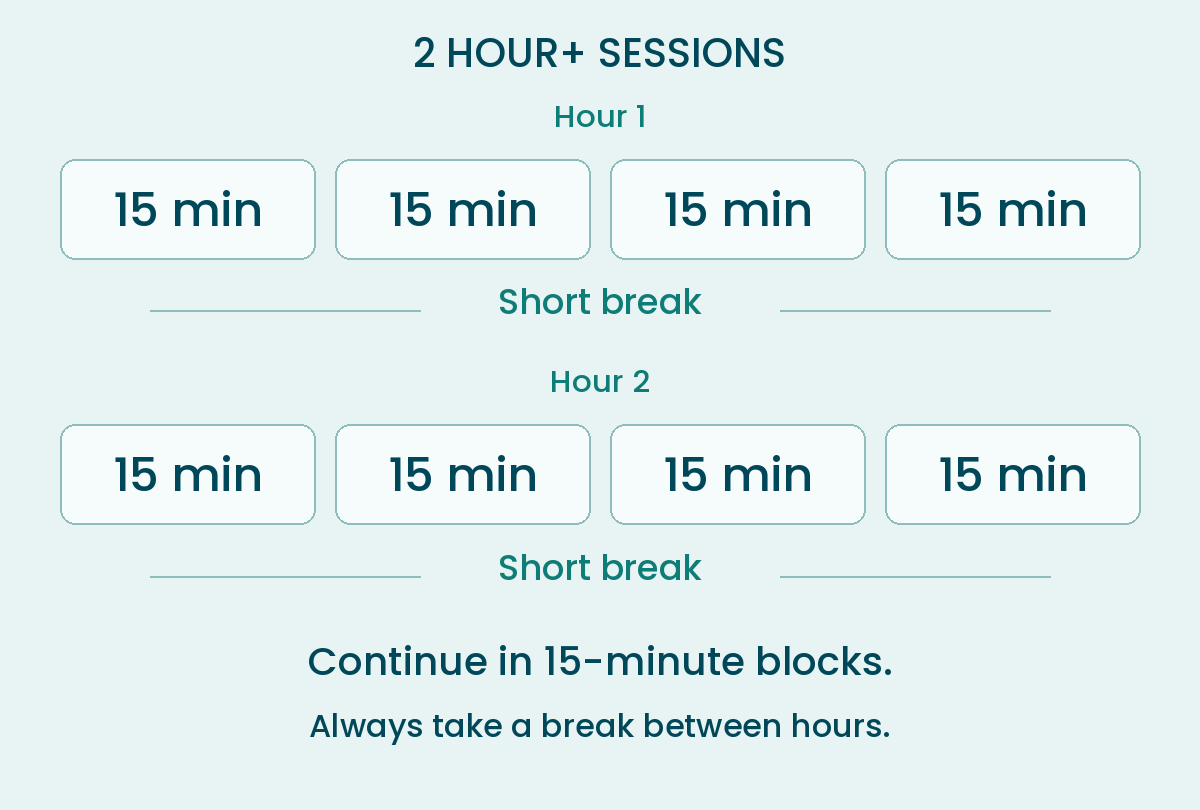
If you have 2 hours to practice, it could look like this where you set 8 x 15 minute blocks all focusing on something different.

Also I should mention we don’t have to do 2-hours of practice back-to-back…

When I started learning jazz piano I was working a 9-5 job at the time, and I would do 1 hour of practice in the morning before going to work, and 1 hour of practice in the evening. I found that to be very effective.


The key point with the above graphics is to set a small block of time each day for you to explore other styles and genres that interest you, but don’t let this takeover a consistent practice routine focusing on the foundational skills.

I hope that’s helpful Patrick. Test it out for a week or so and see how it works for you. Setting an alarm or timer on your phone can be a good idea to make sure that the blocks are punctual.

I find that the improvement often happens whilst we are away from the piano, and so short focused practice blocks on a daily basis work particularly well.

1 Like

Great advice Hayden, i’ll try it out.